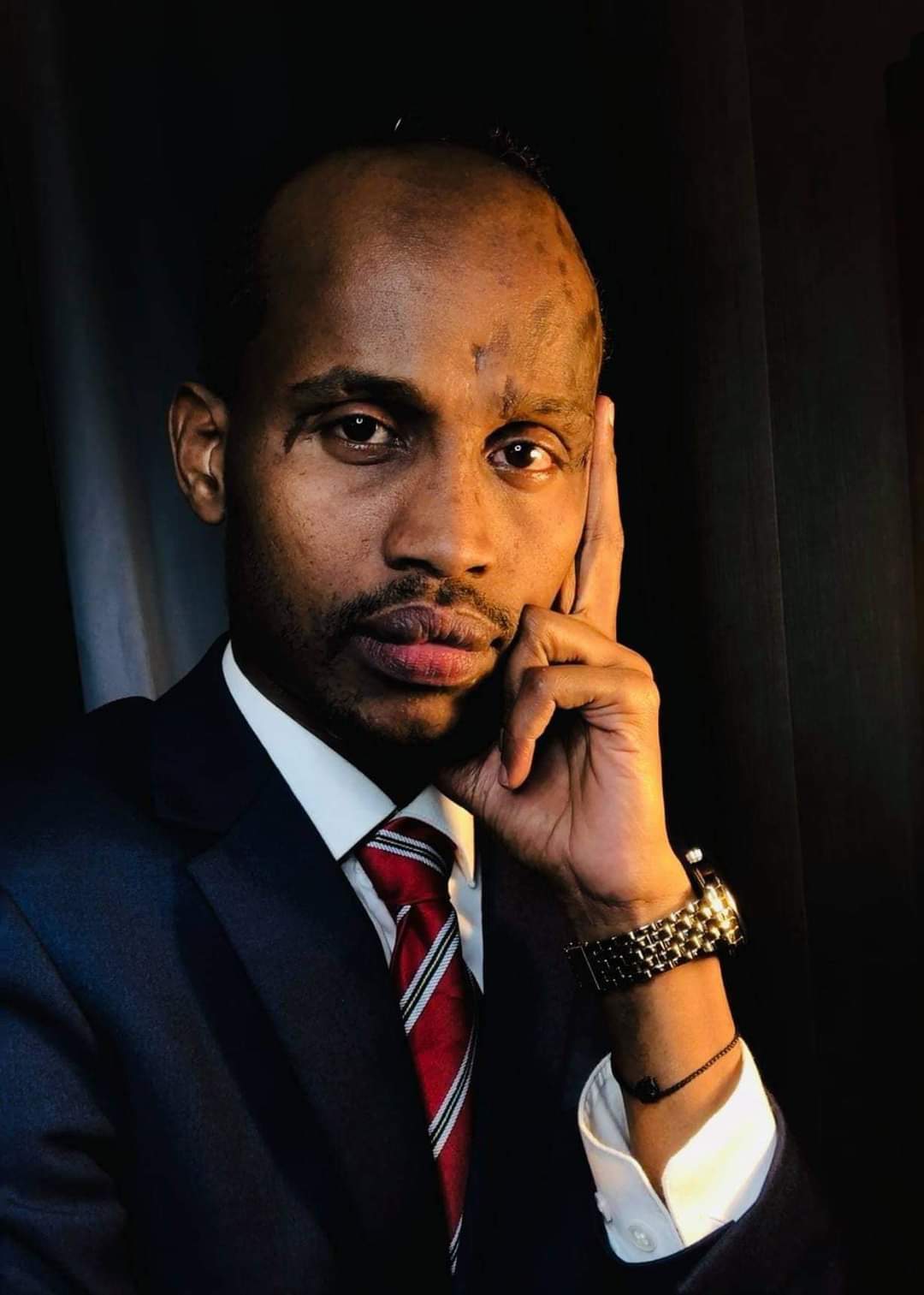
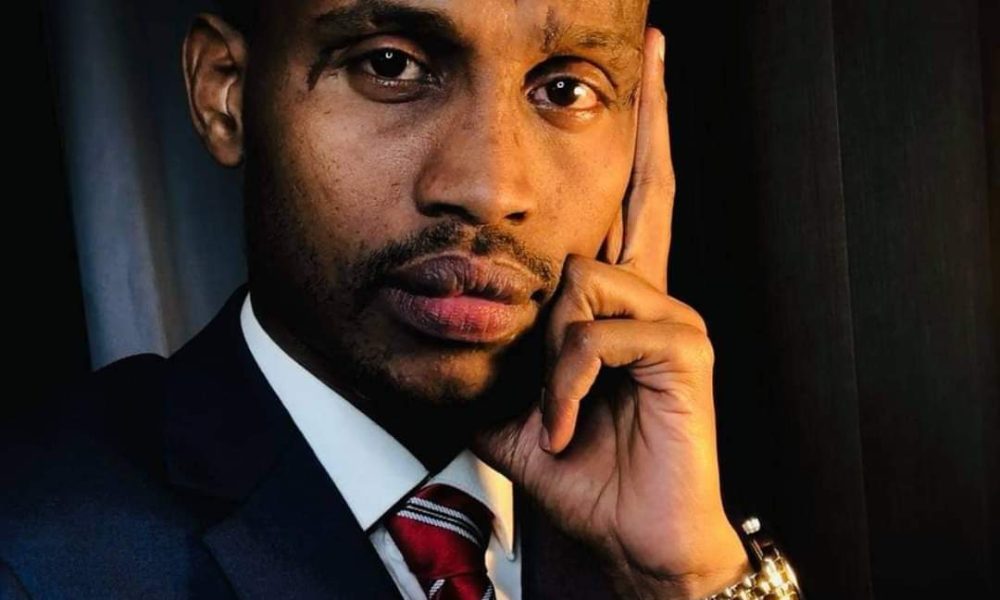
Abderezak Mohamed Ali Dhoore, a Somali American storyteller with a background in cinema, has garnered attention for his unique talent through social media platforms, particularly in Somalia. Born and raised in Mogadishu during the civil war era of the 1990s, Mr. Dhoore received his primary and secondary education from Mujama’s primary and secondary school in Mogadishu and also acquired first aid skills at Somali Red Crescent (SRCs). He later became a pharmacist, dedicating himself to assisting his communities in Mogadishu.
During the Islamic court era, Mr Dhoore endeavoured to join the Somali national army and received training in neighbouring to serve his nation in the security sector during the late Abdullah Yusuf’s presidency. However, he eventually decided to leave Somalia and travel to Libya, where many Somali migrants had relocated to live in Western nations, only to find himself imprisoned there.
After spending years in Libya, a civil war erupted, and Mr Dhoore, along with other migrants, received assistance from UN organisations to Tunisia, where they were provided with shelter and security. During this time, a camp of one million people was established, and they faced daily free-for-alls. Mr. Dhoore himself became a victim of the conflict, which left its mark on his face. However, he persevered and sought to bridge understanding through the medium of cinema. With the support of Madam Salma Bacar, a renowned North African actress and current member of the Tunisian National Constituent Assembly, he embarked on a project that focused on peace and coexistence. This project involved individuals from various nations speaking in their respective languages and culminated in the creation of a film titled “A World Without Refugee,” which aimed to foster better understanding. The film featured 47 characters, and Mr. Dhoore gained recognition for his work. Footage from the film was even featured in a prominent Time magazine.
Subsequently, Mr. Dhoore entered the United States as a refugee, and journalists, accompanied by Hollywood figures, approached him to collaborate on film projects. Eager to expand his skills, he explored the fields of cinematography and journalism, gaining valuable insights along the way.
During my interview, I discovered some interesting facts. One of them was that he joined Facebook on April 1st, 2020, during the Covid-19 crisis. The first video he posted was concerned about the effects of the insults. However, what makes his videos more interesting is the unique storytelling approach.
I also inquired about how he chooses his target audience and the main issues he addresses. He revealed that his main target audience is the youth in Somalia. He deliberately avoids bias-based referencing stories, and social conflicts, and mainly targets current situations, and lengthy preparations in his videos, as these elements can take up to 4 to 6 months to produce.
Despite having other daily responsibilities, he considers this storytelling project and nation-building through communalism as his contribution to the betterment of his people. I asked him why all his topics were catchy, well-presented, and easily understandable. He explained that he primarily communicates with the youth, ensuring that their rights and faith are not compromised. As a storyteller, believe it is essential to be engaging and passionate while maintaining a one-way direction to avoid getting entangled in the trajectory of the stories or responding to them positively or negatively.
Towards the end of our conversation, we discussed the main focus of his projects on social media. He expressed his plans to contribute to his communities, build social cohesion, and understand the pulse of Somali societies. And we talked about his advice for aspiring junior journalists in building a positive image of Somalia. He emphasised that knowledge in the world is based on science and arts. While Somalis excel in science, they shortage the ability to effectively communicate through the arts. He believes that the arts have the power to bring about positive change and connect with civilised people worldwide. This is an area where Somalis need to improve to guide the youth in the right direction.
Notwithstanding the prolonged discussion, the primary highlighting was on cultivating the younger generation in a refined manner. This necessitates imparting them with concise, easily comprehensible knowledge about youth, culture, faith, and originality, to illuminate the path for the forthcoming generation. This narrative has the potential to inspire numerous young individuals, as it conveys the message that regardless of their current location or circumstances, life will persist. It encourages them to mould their destiny, laying the foundation for their future endeavours, growth, and happiness.
By Abdikarim Adan Osman (Afyare)