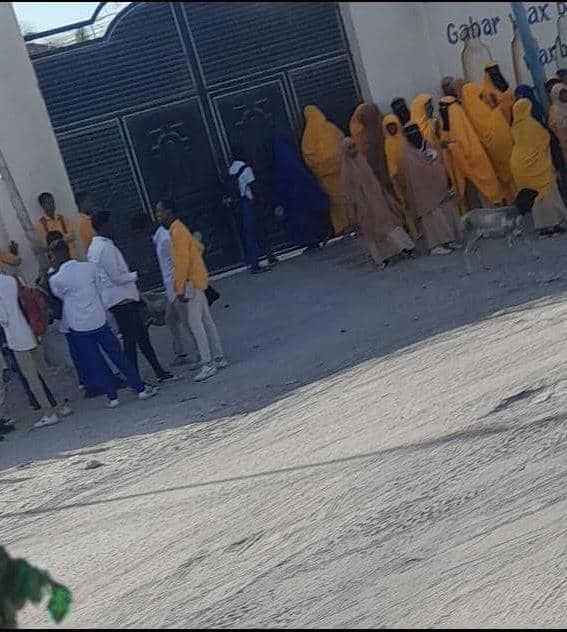
Education is a fundamental pillar of society, shaping the future of individual rights and communities However, one persistent issue hindering educational progress in Somalia is late attendance among school students, particularly in primary and secondary schools.
Somali schools typically operate from 7:00 A.m. to 12:00 noon, amounting to five hours of activity. This duration excludes a 30-minute break and 15 minutes dedicated to school assembly, resulting in a total of four and a quarter hours of actual teaching and learning for each school day. The academic week consists of five days, from Saturday to Wednesday, totalling 21 hours of weekly teaching. If students arrive late on any given day, they may forfeit four hours of learning, complicating their ability to catch up the following day.
This issue is intensified by the difficulty of modern technologies, which leads to insomnia and educational fatigue among students, The swift urbanization of major cities such as Mogadishu and escalating traffic congestion present considerable challenges for students attempting to reach their destinations punctually.
The Complex Factors Behind Late Attendance
Late attendance can result from numerous factors, such as socioeconomic circumstances, inadequate educational frameworks, and student fatigue stemming from technological demands. Additionally, a lack of motivational resources, including libraries, a scarcity of extracurricular activities and logistical issues like transportation, further complicate the situation. Students hail from various backgrounds, each with differing levels of support and encouragement from their families. While some households emphasize the importance of education and introduce a sense of responsibility in their children, others may struggle with limited resources and motivation, leading to longer travel times to school. In densely populated urban environments, students frequently face significant traffic congestion, which hampers their ability to arrive at school punctually. Consequently, their educational progress can be severely postponed, as if doors are being closed on their potential.
Outdated Methods of Discipline
Historically, educational institutions have utilized punitive approaches to manage delay, including physical discipline such as physical punishment, assigning tasks such as cleaning, and ultimately sending students home for additional guidance requiring students to attend with their parents. Educational professionals now recognize that these punitive measures can lead to increased stress and anxiety among students, deterring regular attendance.
The Dangers of Inaction
The implications of these outdated practices are considerable, Students subjected to severe disciplinary measures may disengage from their educational pursuits, resulting in increased dropout rates and mental health issues. Notably, these circumstances particularly impact girls, as they often manage daily household responsibilities and encounter specific pressures that hinder their educational opportunities. Consequently, permitting girls to remain outside the school raises further concerns.
Late attendance can diminish their ability to grasp previous lessons and complicate their understanding of subsequent classes, as the curriculum is designed for continuity. Disengagement from studies can lead to detrimental behaviours, including disappointment from learning, involvement in criminal activities that threaten community safety and also exposure students to unlawful activities, such as drug addiction, which collectively increases dropout rates
Embracing a Transformative Learning Environment
As education evolves, schools in Somalia and beyond must embrace transformative learning processes. Moving away from traditional punishment-based approaches towards a more student-centred and innovative curriculum can foster an environment where students feel engaged and valued. Creative teaching methods that make learning enjoyable will motivate students to be punctual as modern problems need modern solutions.
Incorporating project-based learning, technology integration, and collaborative initiatives encourages active participation in education. When students are excited about learning, they are more likely to arrive on time and with enthusiasm.
The Need for Solutions
Given the drawbacks of disciplinary measures, schools and the Ministry of Education, culture and higher education must explore modern and constructive alternatives to address late attendance. These initiatives encourage responsibility and contribute to a positive school atmosphere One effective strategy is to
1. Enhance communication among parents, students, and school administration. Using applications and digital platforms can promote dialogue, ensuring that all stakeholders are well-informed and actively participating in discussions regarding attendance.
2. Competent and knowledgeable school directors should understand the needs of students while managing schools.
3. Schools should hire proficient teachers to promote contemporary educational principles among students.
5. Employing innovative technologies and well-resourced classrooms can enhance the appeal and quality of the learning environment.
4. Schools may also develop action plans to promote punctuality in engaging ways. Assigning students responsibilities within the school—such as
A- performing cleaning duties for those who arrive late,
B- participating in community service and awareness activities, or
C- taking part in interactive learning sessions during assemblies—can foster student accountability and teamwork.
6. Creative strategies can also effectively tackle issues related to tardiness. For example,
A- permitting students to spend a short time in the classroom during breaks as a consequence of being late can encourage them to reflect on their behaviour.
B- Creating a student-friendly school environment
C- Implementing extended hours in school or after regular classes as a final measure for habitual lateness can provide students with opportunities to catch up on their work or engage in productive activities.
Conclusion
To address late attendance, teachers and supervisors need to adopt innovative and engaging teaching and learning methods that inspire students to envision a positive future. School managers and principals should prioritize hiring skilled, friendly teachers, and creating a supportive learning environment that minimizes the need for harsh disciplinary measures. The Ministry of Education, Culture, and Higher Education must develop policies that eliminate the necessity for students to wait outside schools, framing guidelines that promote a welcoming atmosphere for latecomers. Parents and guardians should facilitate timely school attendance by encouraging students to leave home early, avoiding traffic congestion. Additionally, collaboration between traffic authorities and local police is crucial to implementing solutions for the traffic issues in Mogadishu. Ultimately, students must recognize that education is a vital part of life and take responsibility for crafting a bright future for themselves.
Transforming the educational experience into a more engaging and supportive journey will improve punctuality and equip students with the skills and motivation they need to succeed. It is time for educational leaders, communities, and policymakers to collaborate on solutions that prioritize student well-being and academic success. The future of education in Somalia—and globally—depends on our ability to recognize students’ challenges and respond with sensitivity, creativity, and a commitment to positive change. The time for action is now.
Abdikarim Adan Osman (Afyare)