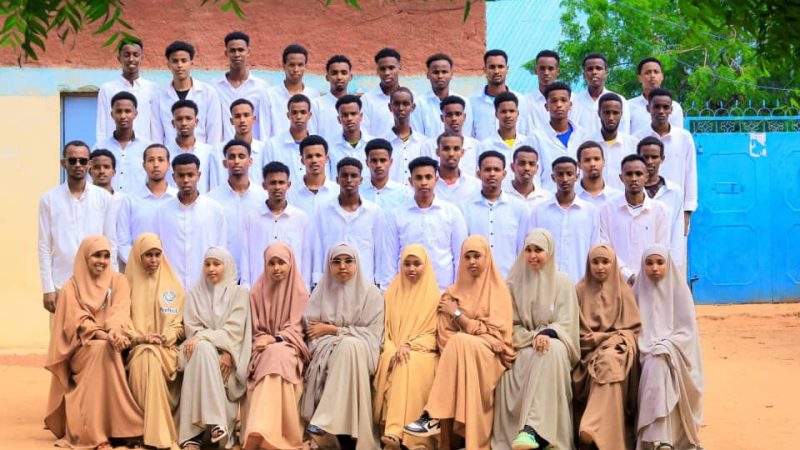
In Somalia, the landscape of education reflects a blend of tradition and modernisation, with ongoing debates about quality and the optimisation of the school calendar and learning hours. With a mix of cultural, religious, and logistical factors influencing school schedules, Somalia’s primary and secondary education system faces unique challenges; yet, opportunities also abound for reform and growth.
Current School Schedule and Learning Hours in Somalia
Following comprehensive interviews with several school principals and teachers, it was agreed that Somali primary schools have classes that typically start at 1:10 PM and end at 5:10 PM, totalling four hours of instruction, which includes a 30-minute break. This break reduces the effective learning time to approximately three hours and thirty minutes each day. Conversely, secondary and intermediate schools tend to follow a more condensed schedule, usually running about 4.5 hours daily—from 7:15 AM to around 12:15 PM—with a break from 9:30 AM to 10:00 AM. Despite the longer scheduled hours, the actual instructional time in secondary schools amounts to roughly four hours and thirty minutes. Overall, both primary and secondary education in Somalia are structured to deliver focused learning within a relatively compact timeframe, emphasising quality within a limited duration.
With a schedule repeated five days a week, secondary and intermediate students in Somalia receive approximately 22.5 hours of instruction each week, while primary students log around 17.5 hours. Over an estimated 22 working days each month, this amounts to roughly 99 hours for secondary and intermediate students, and 77 hours for primary students. When projecting for a year, and accounting for holidays such as Eid, Ramadan, and national celebrations—which typically reduce the number of learning days by about three months—the total instructional days amount to approximately 270 annually. As a result, secondary and intermediate students engage in about 891 hours of structured learning each year, while primary students spend approximately 693 hours in classroom instruction.
To put this into perspective, the Somali educational system’s annual instructional hours are significantly lower compared to many neighbouring countries and global standards. For instance, nearby Kenya typically offers at least 6.5 hours of instruction per day, totalling around 950 to 1050 hours per year. Countries like China and Japan lead globally, with some schools offering up to 12 hours daily, including tutorials, extracurricular activities, and revision sessions.

Challenges of Limited Learning Hours
One of the core issues in Somalia’s education system is not just the total class hours but how learning time is allocated. Despite having secondary and intermediate classes for only about 4.5 hours and primary classes for 3.5 hours daily, Somali students often are not scheduled to participate in tutorials, revision sessions, or extracurricular activities outside of these hours. However, other countries incorporate these activities directly into the official school hours, increasing the total instructional time and enhancing both school presence and educational quality.
Moreover, the scheduling for students further exacerbates the problem. Intermediate and Secondary classes often start early in the morning, from 7:15 AM to 12:15 PM, and then Primary students mainly attend in the afternoons, shortly after 1 PM and end at 5 pm, and their classes are shorter. This fragmented schedule limits meaningful engagement, reduces instructional continuity, and hampers the overall learning experience.
Cultural and Structural Factors
A significant factor affecting Somalia’s school hours is the cultural and religious context. As a predominantly Muslim country, religious holidays like Ramadan and Eid profoundly impact the school calendar. The last week of Ramadan and the Eid al-Fitr week see schools close altogether, amounting to about 14 days of off-days annually. Additionally, Eidal al-Adha and other national festivals contribute to holidays that reduce the total learning days.
Furthermore, the school calendar has historically been based on a five-day week, from Saturday to Wednesday. Attempts to extend the week to six days—adding Thursday—meet resistance due to the difficulty of shifting cultural norms and the importance of weekends for family and community activities. Few small international schools in Mogadishu have experimented with longer hours, extending classes to 6–6.5 hours, but widespread adoption remains elusive.
Comparing Somalia with Regional and Global Standards
According to the International School data, we have collected the following table data.
| Country | Daily Learning Hours | Approximate Annual Learning Hours | Notes |
| Somalia | 3.5-4.5 hours | 693-891 hours | Based on 17.5-22.5 hours/week over ~40 weeks/year, without extracellular activities and revision classes |
| Kenya | 6.5 hours | ~1,000–1,050 hours | 6.5 hours/day over 40–45 weeks, includes tutorials & extracurricular activities |
| Uganda | 6.5–7 hours | ~1,000–1,100 hours | Extended daily hours with extracurricular activities |
| Japan | ~9.5–12 hours | ~1,050–1,500 hours | With tutorials, homework, and extracurricular activities |
| China | ~12 hours | ~2,000 hours | Longest in the world, with tutorials and extracurriculars included |
| Canada | ~6–8 hours | ~1,000–1,200 hours | Based on 17.5-22.5 hours/week over ~40 weeks/year, without extracurricular activities and revision classes |
When comparing Somalia to neighbouring countries like Uganda and Kenya, or international benchmarks, the discrepancy becomes clear. Kenyan students typically attend school for at least 6.5 hours a day, with a focus on comprehensive instruction including extracurricular activities. Ugandan students often have longer school days that extend into late afternoons, although the learning hours are minimised to 5.5 hours and the rest hours integrating sports and other activities.
Globally, countries like China, Japan, and Thailand prioritise longer hours, often exceeding 8 hours daily, including tutorials and extracurricular activities. Australia and Canada allocate over 1,000 hours annually for structured learning, emphasising quality alongside quantity.
Conclusion
Somalia’s journey toward a more robust and effective education system hinges on understanding and addressing the constraints of current schedules and cultural norms. While the existing hours of instruction are limited compared to regional and global standards, to bridge the gap, MOECH should implement strategic reforms, and community support can pave the way for improved learning outcomes.
By prioritising extended instructional time, integrating extracurricular activities into official hours, and fostering innovative school models, Somalia can unlock its educational potential and prepare its youth for a brighter future. The path forward involves balancing tradition with innovation, ensuring every Somali child receives quality education that truly prepares them for the challenges of tomorrow.
The Path Forward: Opportunities for Reform
The Somali Ministry of Education, Culture, and Higher Education (MOECHE) With reference letter WWH&TS/XW/114/07/2023 has mandated a reform of learning days to enhance the school calendar, including proposals to shift to a six-day school week—from Saturday to Thursday. Yet, these changes face cultural and logistical challenges, especially in private schools.
However, some progressive international schools in Mogadishu are already experimenting by extending daily instruction hours to 6–6.5 hours, recognizing the potential benefits for student engagement and academic achievement. Expanding school hours and incorporating tutorials and extracurricular activities into the official timetable might significantly improve the quality of education.
To truly elevate Somalia’s education system, policies should focus on increasing instructional hours, optimizing schedules to balance religious and cultural practices, and enhancing teacher training to maximize the effectiveness of classroom time. Furthermore, community involvement and infrastructure improvements are crucial to support these changes.
By Abdikarim Adan Osman (Afyare)